Your body is not running on willpower. It's running on a signaling system that's making millions of decisions per second, almost all of them outside your awareness.
How well that system runs determines almost everything about your health. Sleep quality, recovery capacity, hormonal balance, digestion, immune function, emotional regulation, pain perception — these are not separate problems with separate fixes. They are downstream outputs of one upstream system.
This is a working map of how that system functions, where it tends to break down, and why the place it breaks down is usually not where the symptoms show up.
The architecture
The nervous system has two main hardware layers and two functional modes.
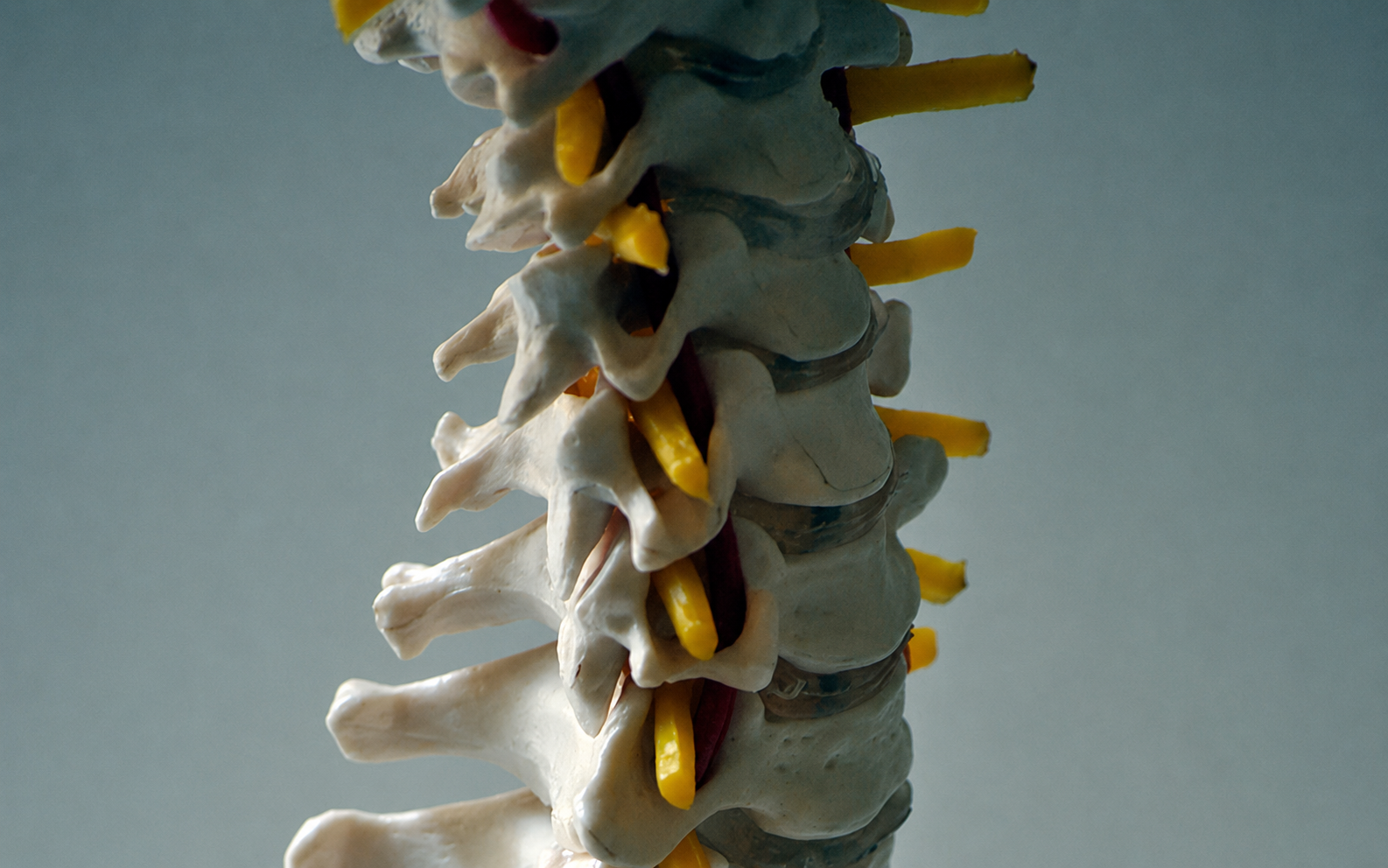
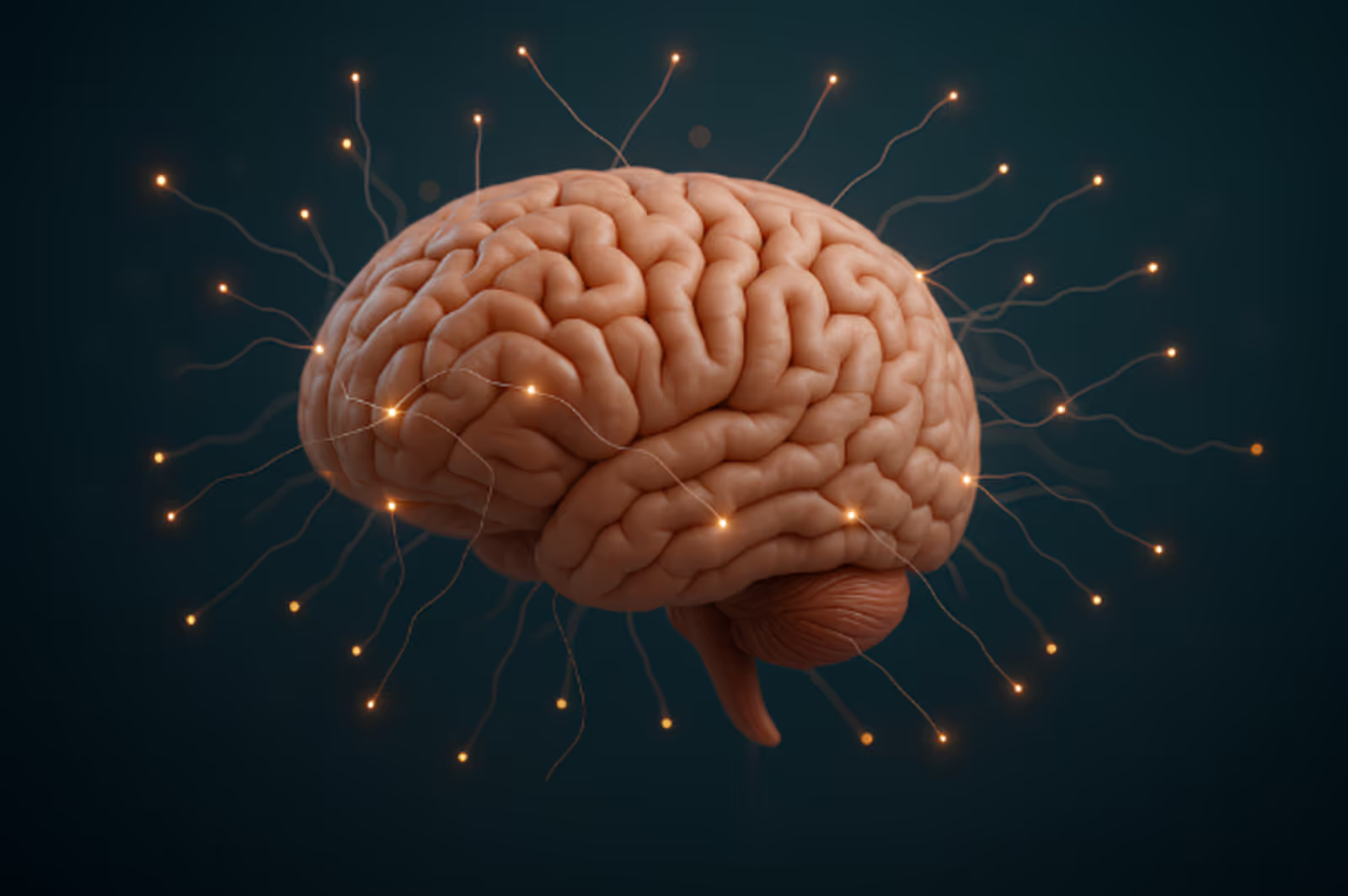
Central nervous system (CNS): brain and spinal cord. The processing center. Every signal from the body lands here. Every decision the body executes is dispatched from here.
Peripheral nervous system (PNS): every nerve outside the brain and spinal cord. The PNS handles the relay between the CNS and the rest of the body, including muscles, organs, blood vessels, skin, and gut.
Within the PNS, two functional modes:
- Somatic nervous system — the voluntary side. The signals that move your arm when you decide to lift it. You feel these.
- Autonomic nervous system — the involuntary side. Heart rate, digestion, hormone release, immune response, pupil dilation, sweating, sleep architecture. You don't feel these directly, but they shape how you actually feel overall.
The autonomic system is where the action is. It splits further into two arms that act as a thermostat for the body:
- Sympathetic — output, mobilization, alertness. The accelerator.
- Parasympathetic — recovery, repair, digestion, calm. The brake.
A healthy nervous system isn't one that runs hot or cold. It's one that switches modes fluidly based on what the moment requires.
The framework: Inputs → Interference → Output
What you experience as a symptom (a headache, anxiety, fatigue, gut issues) is an output. The system produced that output because of the signal it was processing.
If you change only the output, the input stays the same and the system keeps producing the same thing. Mask the headache, sedate the anxiety, push through the fatigue: the underlying signal hasn't changed.
The real leverage is upstream. Three places to look:
- Inputs. What is the nervous system receiving? Sleep, nutrition, light exposure, training load, emotional load, structural load. The volume and pattern of inputs shapes the baseline.
- Interference. Is the system processing those inputs cleanly, or is something distorting the signal? This is where structural alignment matters. The brainstem can only respond to the input it actually receives.
- Output. What is the system producing? Symptoms, patterns, recovery quality, performance ceiling.
People work on the output layer for years before they look at interference. Sometimes it's the right layer to work on. Often it isn't.
Where interference comes from
Interference in the signaling system shows up in a few specific places:
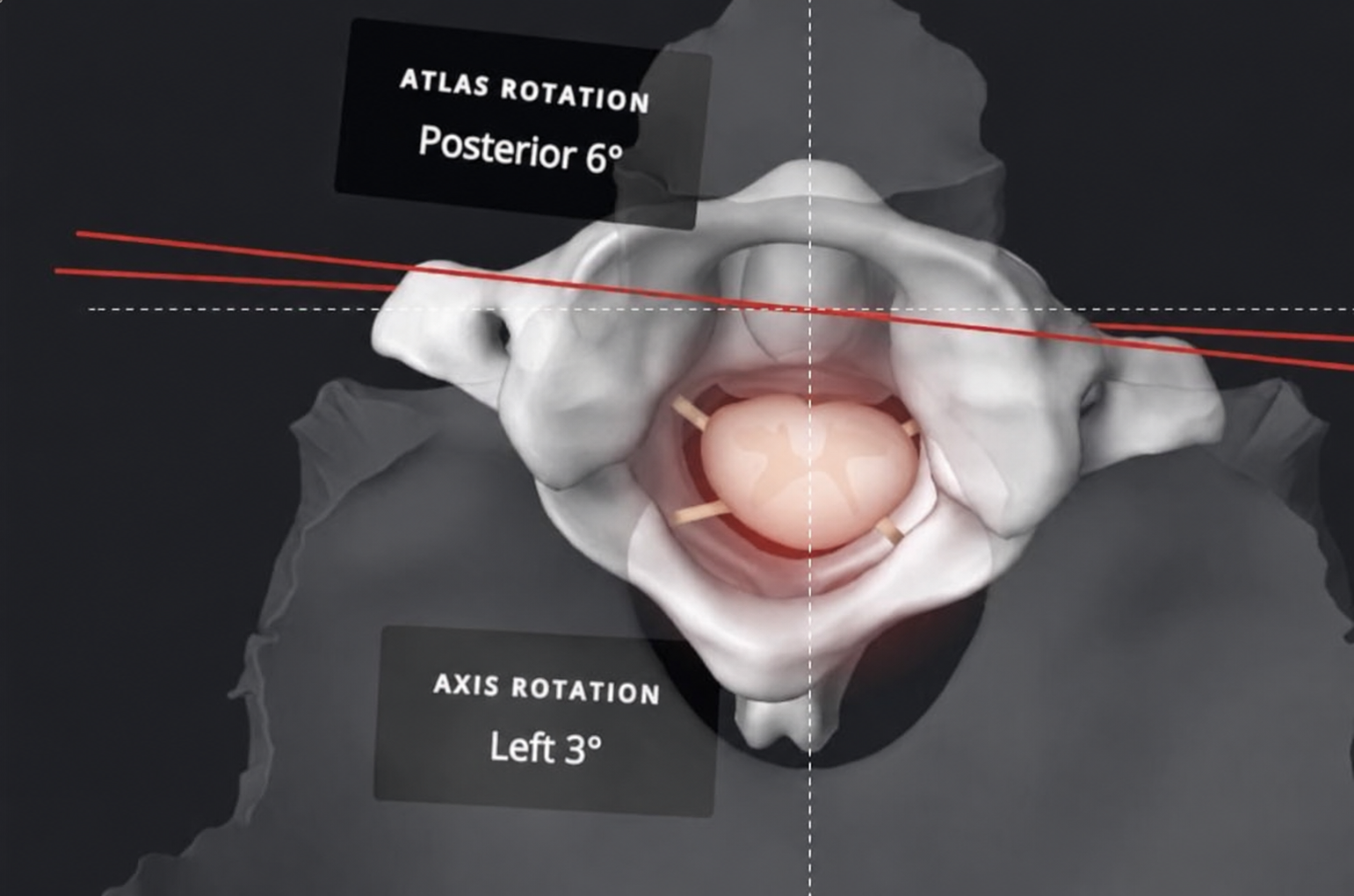
- Upper cervical misalignment. The atlas (top vertebra) sits directly around the brainstem. When it's misaligned, the structural input the brainstem receives is distorted. The body keeps producing threat-response patterns that don't match the actual environment.
- Chronic muscle guarding. Muscles holding low-grade tension for months or years continuously send "the body is bracing" signals to the brainstem. The system stays in protect mode.
- Vagal compression. The vagus nerve is the main parasympathetic line. Its function depends on the integrity of the upper cervical and craniofacial structures it passes through.
- Autonomic mismatch. When the nervous system has been in sympathetic dominance long enough, the baseline shifts. The system loses fluency in switching modes.
These aren't separate problems. They tend to travel together because the structures they involve are stacked in the same anatomical region.
What a regulated nervous system actually looks like
A few measurable markers:
- Heart rate variability (HRV) is responsive: higher at rest, lower under load, recovers quickly afterward.
- Sleep architecture runs full cycles. Deep sleep and REM hit their normal proportions.
- Resting heart rate is low for your age and stable across mornings.
- Digestion runs without bracing or bloat.
- Emotional response is proportionate to the input. The system doesn't escalate every signal into threat.
You don't have to measure all of this to know whether the system is regulated. But it helps to know what regulation actually looks like, because the conventional version of "feeling fine" often isn't.
How we evaluate this
We baseline every new patient with imaging and a three-part autonomic assessment: HRV (parasympathetic capacity), sEMG (chronic muscle guarding), and thermography (autonomic and circulatory regulation). These tell us where in the architecture the interference is happening, before we recommend any care.
If the assessment indicates upper cervical involvement, we use Atlas Orthogonal: an instrument-based, low-force correction calculated directly from imaging geometry. We don't estimate the corrective vector. We measure it.
The point
Your nervous system is not a wellness category. It's the operating layer underneath everything you do and everything you feel. When it's regulated, the body's downstream functions tend to run on their own. When it's not, no amount of supplementing the downstream layer fully compensates.
The work is upstream. Always.
If you've been working on outputs (sleep, energy, anxiety, pain) without lasting change, the interference layer is worth measuring. We baseline every new patient with HRV, sEMG, thermography, and upper cervical imaging before we recommend anything.