Massage activates the parasympathetic nervous system directly. That's most of why it feels the way it does, and most of what makes it useful.
The reason this matters: most massage content positions the benefit as muscle release, tissue work, or circulation. All of that is real but downstream. The primary physiological event is a shift in autonomic state — sustained pressure and slow rhythmic touch produce vagal activation, which lowers sympathetic tone, raises heart rate variability, and creates the felt sense of release that's usually the point of the session.
Understanding massage as a parasympathetic input rather than a "muscle treatment" clarifies what it's good for and where it hits a ceiling.
What's actually happening during a massage
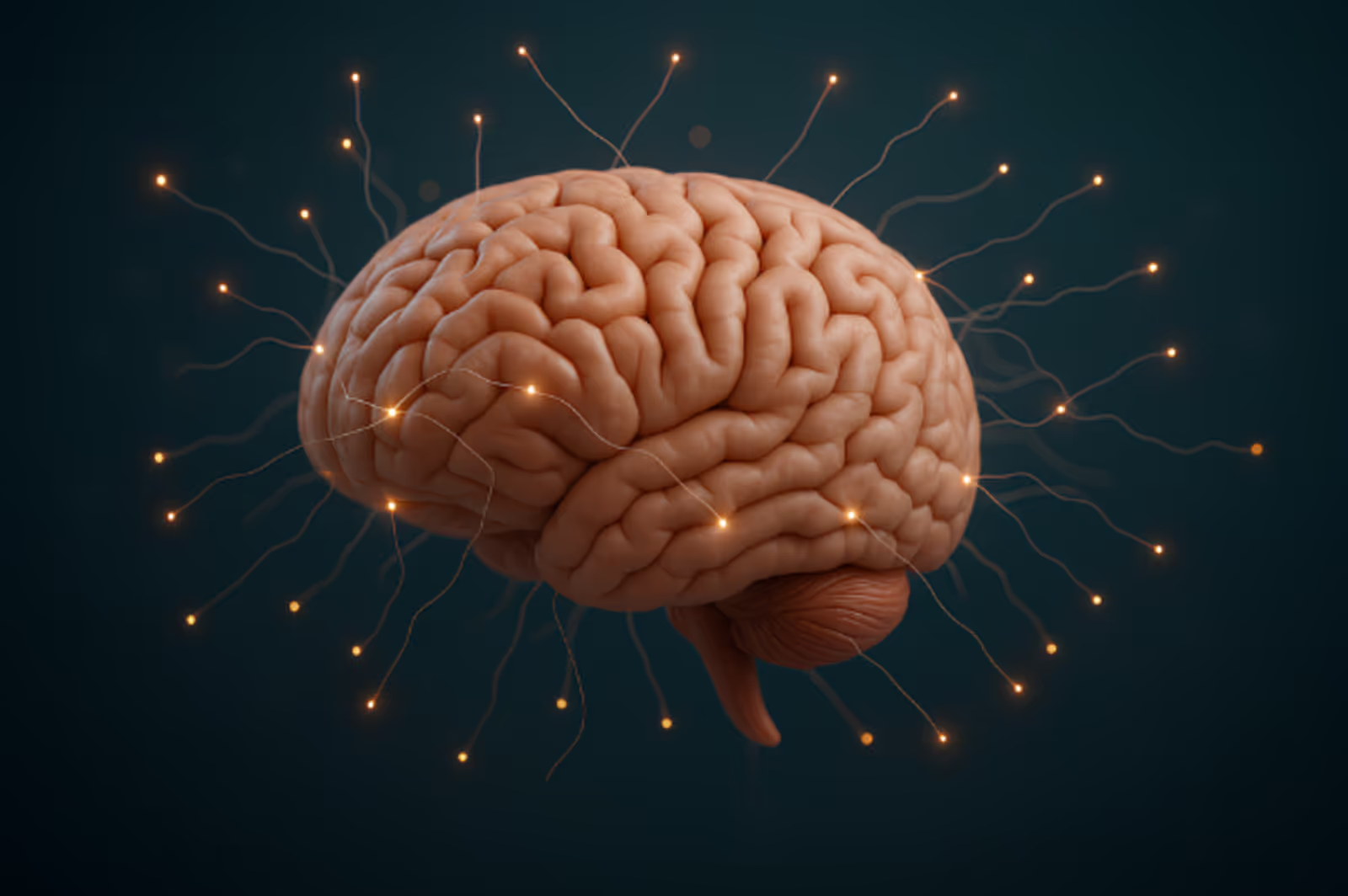
Touch with sustained pressure activates mechanoreceptors in skin and underlying tissue. Those receptors project to the brainstem through pathways that intersect with autonomic regulation. The result is parasympathetic activation — the same shift that meditation, slow exhale breathing, and cold-water face immersion produce, just through a different route.
Heart rate variability rises during the session. Cortisol drops. Blood pressure moves slightly downward. The muscular system relaxes globally, not just in the regions being worked. The cognitive system slows.
These effects are well-documented. Field's work on the autonomic effects of massage, published in the *International Journal of Neuroscience*, established the vagal-activation mechanism. Subsequent research has refined the picture: longer sessions produce more durable effects, slower work activates the system more reliably than aggressive work, and the autonomic response correlates loosely with the felt experience of "release."
The tissue effects — fascial mobilization, trigger point release, circulation — are real but secondary to the autonomic response in terms of how the body actually changes.
Why effects don't always last
When the autonomic system returns to its previous baseline, the muscular system follows. That's why a great massage on Friday afternoon can give way to the same tension by Sunday morning. The session shifted the state; it didn't change the drivers maintaining the state.
For people whose autonomic baseline is healthy and whose tension has acute or situational drivers (a hard week, a long flight, training stress), the temporary shift is enough. The system rebalances and the benefits persist longer.
For people whose autonomic baseline runs chronically sympathetic — from sustained stress, sleep debt, inflammation, structural drivers — the parasympathetic shift from massage is real but short-lived. The system reasserts its dominant state within hours or days. The pattern that drove the original tension hasn't changed.
This isn't a critique of massage. It's the nature of the intervention. Massage is a parasympathetic input. Like all inputs, its effects depend on what the system does with the input afterward.
In short: Massage works by activating the parasympathetic nervous system through sustained touch. The tissue effects are real but secondary to the autonomic shift. When chronic tension has upstream drivers (structural, autonomic, behavioral), massage produces temporary relief without changing the underlying driver. The intervention is useful; the framing of what it does should be honest.
Where this fits in the Human OS framework
In the Inputs → Interference → Output model, massage is an input. It's a parasympathetic-activating intervention that briefly reduces sympathetic output. It can be a meaningful part of an integrated practice for nervous system regulation.
What massage doesn't do is address the Interference layer when structural or autonomic drivers are persistent. The structural input from a misaligned upper cervical spine, the chronic sympathetic activation from unresolved trauma, the inflammatory burden from dietary patterns — massage doesn't reach these.
In a comprehensive picture: massage is a useful input. Sleep is a useful input. Movement is a useful input. Nutrition is a useful input. Together they raise the ceiling of what the system can do. The interference layer determines the ceiling itself.
How to use massage well
For someone with a baseline that's working, massage as periodic maintenance — every few weeks, longer sessions, with a practitioner who works slowly enough to engage the autonomic system — is a reasonable input to an overall wellness practice.
For someone in acute high-stress periods, massage as a targeted parasympathetic intervention can help the system return to baseline. The benefit comes from the autonomic shift, not from tissue manipulation.
For athletes, massage in the recovery period after intense training can support parasympathetic activation that the system might struggle to access on its own. Worth doing when the schedule allows. Not a substitute for the deeper autonomic work that endurance and sustained recovery require.
For chronic, persistent tension that hasn't yielded to consistent massage over months or years — that's the signal that the interference layer is what needs to be addressed, and massage alone isn't the right tool.
What we see in clinical practice
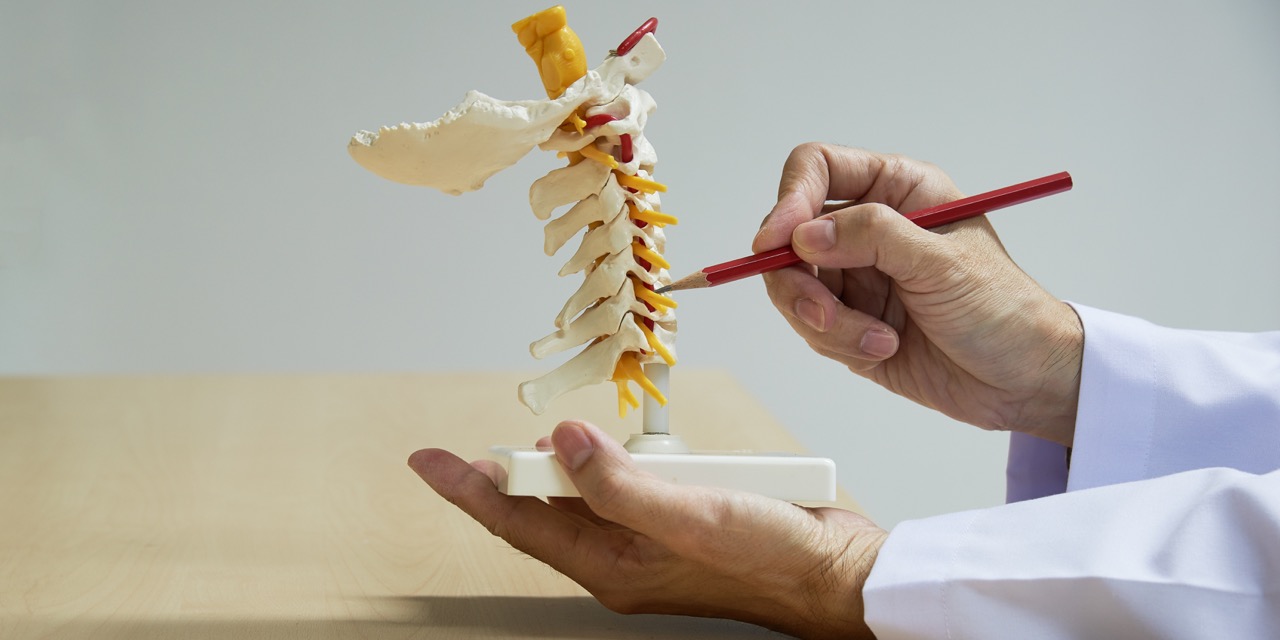
The patients who come in describing chronic tension that won't release through massage usually have an upstream driver. Most often it's structural — upper cervical misalignment maintaining compensation in the surrounding musculature. The massage session releases the suboccipitals temporarily; the structural input drives the compensation back within hours.
Post-correction, these patients describe the same massage work feeling different. The releases hold longer. The tension that wouldn't yield now yields and stays yielded. The work is the same; the system has different capacity to integrate it.
This isn't about replacing massage. It's about identifying when massage is being asked to do work it can't do, and addressing what's actually driving the pattern.
When massage is the right tool
Massage is appropriate and useful when:
- The tension is acute, situational, or related to a clear identifiable load
- A consistent practice is producing visible cumulative effects
- The goal is autonomic downregulation in a healthy system
- It's being used as one input among others rather than as the primary intervention
Structural or comprehensive assessment is worth considering when:
- Chronic tension hasn't yielded to consistent massage over months
- Specific regions reset to the same pattern after every session
- There's history of significant trauma, particularly head or neck injury
- Other autonomic symptoms accompany the muscular tension
Schedule your assessment
If you've been using massage to manage chronic tension and the pattern hasn't yielded, the assessment captures what's maintaining the pattern. The first visit is a consultation, full assessment, and upper cervical x-rays. The doctor reviews everything between visits, and the report of findings comes at visit two.
Schedule Your Assessment Today.
References
1. Field T. Massage therapy research review. *Complementary Therapies in Clinical Practice.* 2014;20(4):224-229. doi:10.1016/j.ctcp.2014.07.002
2. Diego MA, Field T. Moderate pressure massage elicits a parasympathetic nervous system response. *International Journal of Neuroscience.* 2009;119(5):630-638. doi:10.1080/00207450802329605
3. Listing M, Krohn M, Liezmann C, et al. The efficacy of classical massage on stress perception and cortisol following primary treatment of breast cancer. *Archives of Women's Mental Health.* 2010;13(2):165-173. doi:10.1007/s00737-009-0143-9